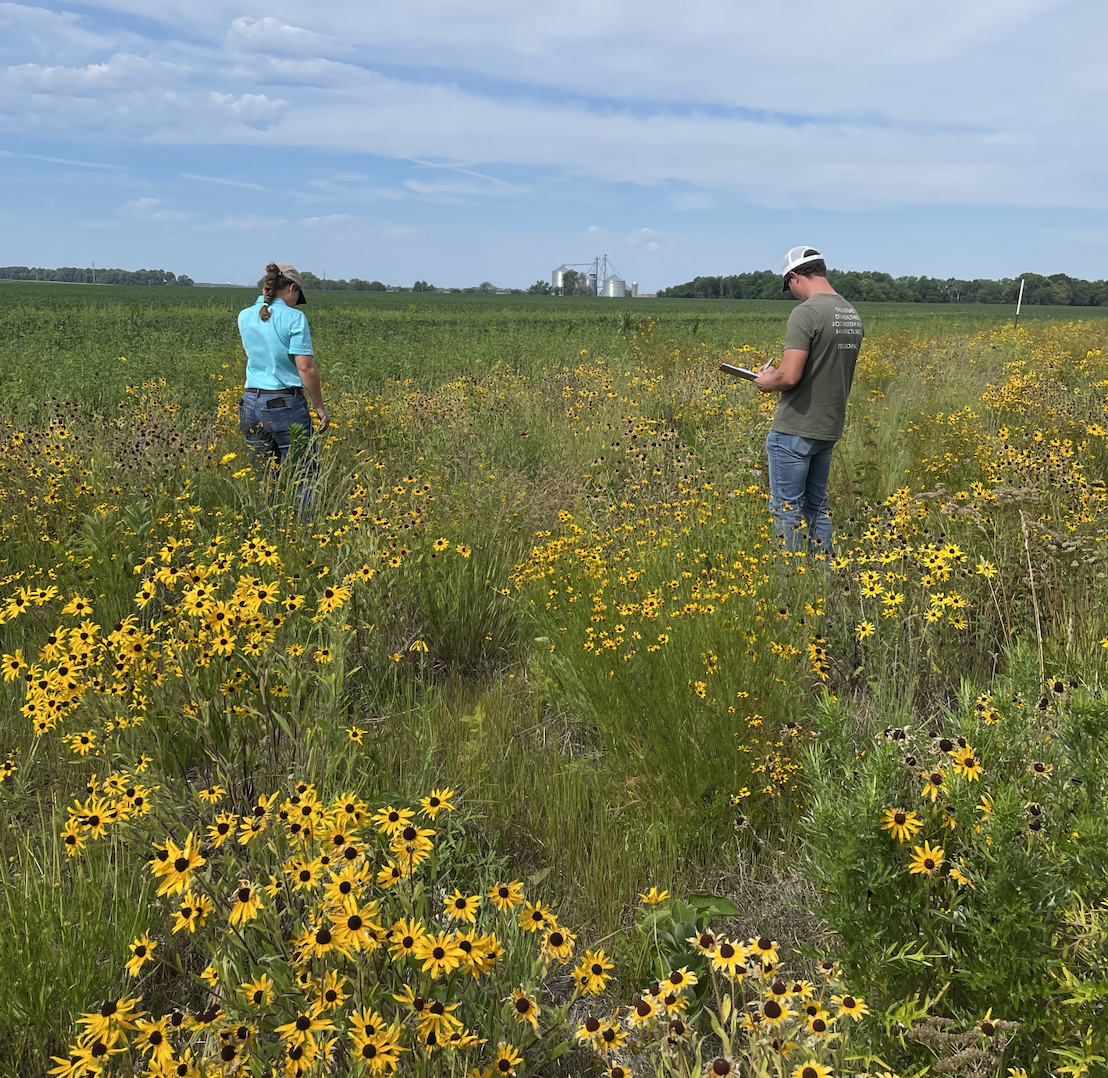
Starting a sustainable garden is one of the most rewarding ways to connect with nature and contribute to climate solutions. Whether you have a large backyard or just a small balcony, these essential tips will help you get started on your gardening journey. Sustainable gardening goes beyond simply growing plants—it's about creating systems that work in harmony with nature, reduce environmental impact, and contribute to carbon sequestration and biodiversity.
1. Start with the Right Location
Choosing the right location is fundamental to garden success. Most vegetables and flowers need at least 6-8 hours of direct sunlight per day, though some leafy greens and herbs can tolerate partial shade. Take time to observe your space throughout different times of day and across seasons to identify the sunniest spots. In the Northern Hemisphere, south-facing areas typically receive the most sun.
Consider microclimates within your space—areas near walls or structures that may trap heat, or spots that receive protection from wind. These microclimates can extend your growing season and support plants that might not otherwise thrive in your zone. If you're working with limited space, don't despair. Container gardening, vertical growing systems, and rooftop gardens can transform even small spaces into productive growing areas. PLANTGROUP has designed urban gardens that produce hundreds of pounds of food annually from spaces as small as 100 square feet.
Access to water is another critical location consideration. Your garden should be near a water source or easily accessible for irrigation systems. If water access is challenging, consider installing a rainwater harvesting system or positioning containers where they can capture rainfall efficiently.
2. Test and Improve Your Soil
Healthy soil is the foundation of a successful garden. Soil testing should be your first step before planting. Test for pH levels (most vegetables prefer 6.0-7.0), nutrient content (nitrogen, phosphorus, potassium, and micronutrients), and soil texture. Many extension services and garden centers offer soil testing services, or you can purchase home test kits.
Once you understand your soil's composition, you can amend it appropriately. Most soils benefit from adding organic matter like compost, which improves structure, drainage, water retention, and nutrient availability. Building healthy soil is a long-term process, but the benefits compound over time. Each year of adding organic matter increases soil's ability to support plant growth while sequestering carbon.
For container gardens, start with high-quality potting mix rather than garden soil, which can become compacted. Potting mixes are designed to provide proper drainage and aeration in containers. For raised beds, consider a mix of topsoil, compost, and other organic amendments based on your soil test results.
In urban areas, soil contamination can be a concern. If you suspect contamination (common near older buildings or industrial sites), have your soil tested for heavy metals and other pollutants. Raised beds with clean soil or container gardening are safe alternatives when ground soil is contaminated.
3. Choose Native and Adapted Plants
Native plants are naturally adapted to your local climate, soil conditions, and ecosystem. They've co-evolved with local wildlife and require significantly less water, fertilizer, and maintenance once established. Native plants support local biodiversity by providing food and habitat for native pollinators, birds, and beneficial insects.
Beyond native species, look for varieties adapted to your specific growing conditions. Many seed companies offer region-specific varieties that have been bred or selected for particular climates. These adapted varieties often perform better and require fewer inputs than generic commercial varieties.
Consider the concept of "right plant, right place"—matching plants to their ideal growing conditions rather than trying to force plants to adapt. This approach reduces the need for interventions like extra watering, fertilizing, or pest control. PLANTGROUP's design work emphasizes selecting plants suited to site conditions, resulting in gardens that require minimal maintenance while maximizing productivity and environmental benefits.
When selecting plants, think beyond just what you want to grow. Consider the entire ecosystem you're creating. Include plants that attract beneficial insects, fix nitrogen in the soil, or provide other ecosystem services. This holistic approach creates a more resilient and productive garden.
4. Practice Water Conservation
Water conservation is critical for sustainable gardening, especially as climate change leads to more frequent droughts. Installing drip irrigation systems delivers water directly to plant roots, reducing evaporation and runoff. These systems can reduce water usage by 30-50% compared to overhead sprinklers while preventing water waste and reducing fungal disease pressure.
Mulching is one of the simplest and most effective water conservation techniques. Apply 2-4 inches of organic mulch around plants to reduce evaporation, moderate soil temperature, suppress weeds, and improve soil health as it decomposes. Organic mulches like wood chips, straw, or compost are particularly beneficial.
Water timing matters significantly. Water early in the morning when temperatures are cooler and winds are calmer, reducing evaporation losses. Avoid watering in the evening, as prolonged leaf wetness can encourage fungal diseases. Deep, infrequent watering encourages deeper root growth, making plants more drought-resistant.
Rainwater harvesting is an excellent way to conserve water while providing your plants with natural, chemical-free hydration. Rainwater is naturally soft and free of chlorine and other municipal water additives. Simple rain barrel systems can be installed to capture roof runoff, while larger systems can include cisterns and distribution networks. PLANTGROUP has installed rainwater harvesting systems that capture thousands of gallons annually, significantly reducing municipal water use while providing plants with superior water quality.
5. Start Composting
Composting kitchen scraps and garden waste creates nutrient-rich soil amendment while diverting organic waste from landfills. Organic matter in landfills produces methane, a potent greenhouse gas, while composting produces stable carbon compounds that can remain in soil for decades, sequestering carbon while improving soil health.
Even a small compost bin can make a significant difference. Composting requires balancing green materials (nitrogen-rich, like kitchen scraps and fresh plant matter) with brown materials (carbon-rich, like dry leaves and cardboard). A ratio of about 3:1 browns to greens works well for most composting systems.
There are many composting methods to fit different situations: traditional bin composting, tumbler systems, vermicomposting (using worms), bokashi fermentation, and community composting programs. Choose a method that fits your space, lifestyle, and needs. For apartment dwellers, vermicomposting or bokashi systems can work well indoors without odor issues.
The benefits of compost extend far beyond adding nutrients. Compost improves soil structure, increasing water retention in sandy soils and improving drainage in clay soils. It supports beneficial soil microorganisms that help plants access nutrients and resist diseases. Compost also acts as a slow-release fertilizer, providing nutrients to plants over time.
6. Use Organic Pest Control Methods
Harmful pesticides can damage beneficial insects, soil health, and ecosystem balance. Sustainable gardens rely on integrated pest management (IPM) strategies that prioritize prevention, monitoring, and the least harmful interventions. This approach recognizes that some pest damage is acceptable and that a healthy ecosystem will naturally balance itself.
Companion planting is a powerful organic pest control method. Certain plants repel pests, attract beneficial insects, or mask the scent of vulnerable plants. For example, planting marigolds near tomatoes can deter nematodes, while dill and fennel attract beneficial insects like parasitic wasps that control pest populations.
Natural predators are your allies in pest control. Beneficial insects like ladybugs, lacewings, and predatory mites can be introduced or encouraged through habitat creation. Avoid broad-spectrum pesticides that kill these beneficial insects along with pests. Creating diverse plantings that provide habitat and food for beneficial insects throughout the season helps maintain natural pest control.
When intervention is necessary, organic solutions like neem oil, insecticidal soap, or diatomaceous earth can be effective against specific pests without harming beneficial insects or soil health. Physical barriers like row covers can prevent pest access while allowing light and water through. Regular monitoring helps catch pest problems early, when they're easier to manage.
7. Plan for Succession Planting
Succession planting—staggering plantings throughout the growing season—ensures continuous harvests and maximizes garden productivity. Rather than planting everything at once, make multiple smaller plantings spaced weeks apart. This approach prevents overwhelming gluts of produce followed by periods with nothing to harvest.
Plan your succession plantings based on days to maturity and seasonal preferences. Cool-season crops like lettuce, spinach, and radishes can be planted early in spring and again in late summer for fall harvests. Warm-season crops like beans and squash can be succession-planted throughout their growing window.
Intercropping—growing fast-maturing crops between slower-growing ones—is another way to maximize productivity. Plant radishes or lettuce between tomato plants; by the time tomatoes need the space, the quick crops are harvested. This technique makes efficient use of limited space and extends harvest windows.
Keep detailed records of planting dates, harvest times, and crop performance. This information helps you refine your succession planting strategy each year, adapting to your specific growing conditions and preferences. PLANTGROUP uses sophisticated planning tools to optimize succession planting in large-scale projects, ensuring continuous production throughout the growing season.
8. Save Seeds
Saving seeds from your best-performing plants creates a cycle of improvement adapted to your specific growing conditions. Open-pollinated and heirloom varieties are best for seed saving, as they will produce true-to-type offspring. Hybrid varieties won't come true from seed, though saving them can still produce interesting results.
Seed saving preserves genetic diversity and helps maintain plant varieties that might otherwise be lost. Many heirloom varieties have unique flavors, colors, or adaptations that commercial varieties lack. By saving seeds, you're participating in preserving agricultural heritage while developing varieties suited to your garden.
Save seeds from your healthiest, most productive plants that show the traits you value. Allow fruits to fully mature before harvesting seeds. Dry seeds thoroughly before storing in cool, dark, dry conditions. Properly stored, many vegetable seeds remain viable for several years.
Seed saving also saves money and ensures you have seeds for varieties that work well in your garden. Over time, you'll develop seed stock that's uniquely adapted to your specific soil, climate, and growing conditions, resulting in increasingly productive harvests.
9. Create Biodiversity
Diverse gardens are more resilient to pests, diseases, and climate extremes. Monocultures—growing large areas of a single crop—are vulnerable to pest outbreaks and soil depletion. Polycultures—growing many species together—create complex ecosystems that support themselves.
Biodiversity supports beneficial insects and pollinators, which in turn support plant productivity. Different plants attract different insects, creating a more balanced ecosystem. Include flowering plants that provide nectar and pollen throughout the growing season to support pollinator populations.
Plant diversity also reduces disease pressure. Many plant diseases are species-specific; if you're growing many different species, a disease affecting one plant won't wipe out your entire garden. Mixing plants confuses pests, making it harder for them to locate their preferred hosts.
Consider the vertical dimension of biodiversity too. Include plants of different heights—ground covers, mid-height plants, and tall plants—to create layered ecosystems that make efficient use of space and resources. This approach mimics natural forest ecosystems and creates more productive, resilient gardens.
10. Be Patient and Keep Learning
Gardening is a journey of continuous learning and adaptation. Every season brings new challenges and opportunities to learn. Don't be discouraged by setbacks—even experienced gardeners face failures. Each "failure" teaches valuable lessons about your specific growing conditions and how different plants respond.
Keep detailed garden journals recording what you plant, when you plant it, how it performs, weather conditions, pest and disease issues, and harvest yields. These records become invaluable over time, helping you understand patterns and improve your garden's productivity.
Connect with other gardeners to share knowledge and learn from their experiences. Join communities like PLANT Group, participate in local garden clubs, attend workshops, and visit other gardens. The gardening community is generally welcoming and eager to share knowledge with newcomers.
Stay curious and experiment. Try new varieties, test different techniques, and observe how your garden responds. The best gardeners are those who remain open to learning and adapting. Remember that gardening connects you to natural cycles and processes that operate on timelines longer than our usual daily rhythms. Patience and persistence are essential virtues for sustainable gardeners.
Understanding Your Growing Zone and Climate
Knowing your USDA hardiness zone and understanding local climate patterns helps you select appropriate plants and timing. Your zone indicates the average minimum winter temperature, helping you choose plants that can survive your winters. However, microclimates within your garden may allow you to grow plants rated for warmer zones, or require extra protection for borderline plants.
Pay attention to local climate patterns beyond just zone information. Note your average first and last frost dates, typical rainfall patterns, and seasonal temperature variations. This information helps you time plantings appropriately and choose crops suited to your growing season length.
Climate change is shifting growing zones and weather patterns. Many gardeners are finding they can grow plants that weren't previously possible in their areas, while others face new challenges like increased heat, drought, or unpredictable weather. Adapting to these changes while working to mitigate climate change through sustainable practices is part of the modern gardening challenge.
Building Soil Health Over Time
Soil health improvement is a long-term process that pays increasing dividends. Each year of adding organic matter, practicing crop rotation, and avoiding harmful chemicals improves soil structure, nutrient availability, and water-holding capacity. Healthy soil supports healthy plants with less need for external inputs.
Cover cropping is an advanced technique that builds soil health while controlling weeds and preventing erosion. Planting cover crops like clover, vetch, or rye in off-seasons adds organic matter, fixes nitrogen (in the case of legumes), and improves soil structure. When turned under, cover crops become "green manure" that enriches the soil.
Minimize soil disturbance through no-till or reduced-till practices. Tilling disrupts soil structure, destroys beneficial fungal networks, and brings weed seeds to the surface. By minimizing tillage, you preserve soil structure and support the complex soil ecosystem that sustains plant life.
The Role of Technology in Sustainable Gardening
Modern technology can enhance sustainable gardening practices significantly. Smart irrigation systems with soil moisture sensors ensure plants receive optimal water without waste. Automated systems can adjust watering based on weather forecasts, further improving efficiency.
IoT environmental monitoring systems can track soil temperature, moisture, pH, and nutrient levels, providing data to optimize growing conditions. These systems are particularly valuable for larger gardens or commercial operations but can also benefit home gardeners interested in maximizing productivity.
PLANTGROUP specializes in integrating smart technology with sustainable gardening practices, creating systems that are both high-tech and ecologically sound. These technologies help gardeners make data-driven decisions that improve productivity while reducing resource use.
Conclusion
Starting a sustainable garden is an investment in your health, your community, and the planet. By following these essential tips and staying committed to sustainable practices, you'll create a thriving garden that benefits both you and the environment. Remember, every small action counts in our collective effort to create climate solutions.
Sustainable gardening creates multiple benefits: fresh, healthy food; carbon sequestration through soil building; habitat for wildlife and pollinators; reduced environmental impact through resource conservation; and personal connection with natural cycles. These benefits compound over time as your garden becomes more established and productive.
The skills and knowledge you develop through gardening are increasingly valuable as we face climate challenges and food security concerns. By learning to grow food sustainably, you're developing resilience and self-reliance while contributing to broader solutions. Every garden, no matter how small, is part of the larger movement toward more sustainable, resilient food systems.
Ready to get started? Check out our sustainable garden materials or connect with our community to share your gardening journey! For professional design and installation services that can help you create a comprehensive sustainable garden system, contact PLANTGROUP to discuss your needs.